What Solvents Can You Use With Castle Art Colored Pencils
Paint Thinners and Colored Pencils
Updated past Brandon F. on July 8, 2020
Paint thinners can open up the flexibility of a set of colored pencils. However, we get a lot of questions and comments in regards to paint thinners and their relationship with colored pencils. Some (of the many) questions include:
What exactly is pigment thinner?
When is paint thinner supposed to exist used with colored pencils?
What is the best application technique to use?
What is the best paint thinner make?
…and the listing goes on!
Nosotros are hither to help clear upwardly some of these questions and have a full general discussion of paint thinners and how they can assistance to bring your colored pencil blending game up to the next level. We will also get over what we experience are the best paint thinners for various applications.
What is Paint Thinner?
A paint thinner is a solvent that is designed to thin upwards paints. This can have both the benefit of lightening the intensity of color but also greatly aids in helping to blend one colour with some other. You can open upwards your available color palette with a given set of colored pencils through proper blending techniques.

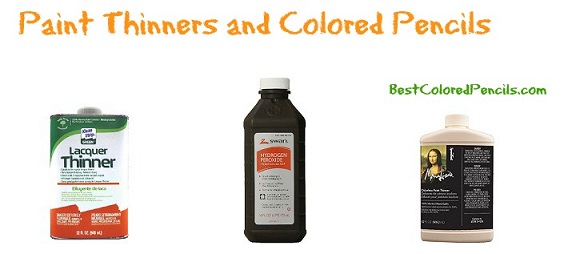
A typical bottle of paint thinner
There are a wide diverseness of paint thinners to choose from. While their names and appearance might differ some, they do share a common trait in that they will typically contain one of the several common solvents that give them the ability to thin pigment.
These include things such as mineral spirits, acetone, toluene, turpentine, naphtha, and a few others. If you expect at the ingredients department of whatever pop pigment thinner in the store, you will likely see at least 1 of these ingredients.
When Do I Apply Paint Thinner Instead of "Regular" Blending?
This is a flake of a circuitous question and it depends on the type of colored pencils you have as well equally the level of blending you are later on. Many people will utilize "traditional" blending techniques that include both pencil blending and dry blending.
Pencil blending is simply when y'all apply pressure from your pencil tip to add multiple layers of color. This, in turn, creates color blending. When you apply extra levels of force per unit area it is chosen burnishing, and information technology is a good way to farther mix layers of color. All the same, how much blending takes place is heavily dependent on the type of colored pencils you have.
Specifically, oil-based cores with very soft materials tend to blend much easier than harder, wax-based cores. In other words, pencil blending might exist all you need and for others, it will hardly have whatever effect.
Dry blending is where you use a dry cloth, tissue, tortillon, or other soft material to alloy layers without incorporating additional color or solvents to the mix. The key departure betwixt dry out blending and pencil blending is that you are not calculation additional layers of colour and are simply mixing up what has already been laid downward. While dry blending does take a more pregnant impact than pencil blending, its effects will nevertheless be express by the type of colored pencils yous use and the softness of the layers.
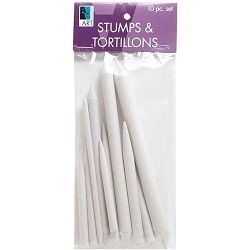
Tortillions are quite helpful for applying paint thinner to a canvas
That brings us to the topic at hand: solvent blending. As mentioned above, solvent blending involves adding a solvent to your art piece instead of more layers of color or mixing existing layers. This solvent "breaks down" or thins the color, making it much easier to redistribute and mix.
Paint thinners work great for those times that yous are trying to lighten upward the color tone some as well equally when you lot are wanting to blend 2 colors into a unique new color. They are likewise great for those colored pencil sets that don't alloy very well by themselves or in cases where you want to be able to practice some blending without having to put downwardly tons of boosted layers.
Paint thinners are also good for areas where yous wish to cover large areas of the page with subtle color with minimal effort. This tin include things such as skies and distant valleys in landscapes, calorie-free skin tones on faces, and metallic sheens on buildings in industrial settings.
What Type of Paint Thinner Do I Apply?
While paint thinners might all work in similar manners, they are not however. They come up in differing concentration levels, thicknesses, smells, etc. Nosotros have heard stories of people finding random containers tucked away backside cabinets in their garage and using them for paint thinners with success, but nosotros recommend sticking to the basics. We also tend to avoid industrial paint thinners that are designed to piece of work with paint you would use on a firm, deck, or other more demanding settings. This is because these thinners tend to exist much as well strong and the fumes can exist quite overwhelming.
Having said this, we recommend sticking to one of these iii types of paint thinner: rubbing alcohol, turpentine, and rubber cement thinner.
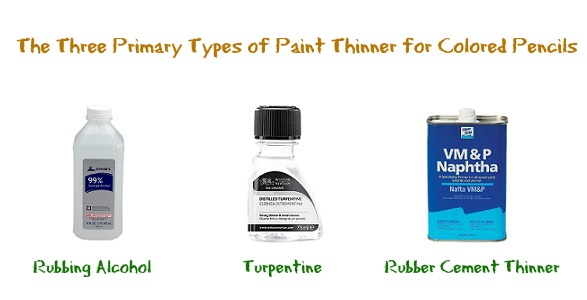
Rubbing alcohol is the mildest of the iii and is good for lite to balmy blending. While information technology volition suspension the binders of the color some, you lot are going to demand several layers of thick color to see significant results. Rubbing alcohol is also the easiest to come by since virtually people have a bottle lying around somewhere in their house. We do recommend sticking to lighter concentrations of it (75% or lower) every bit anything college could potentially remove too much colour.
Turpentine is in the middle in regards to functioning. It is the well-nigh common ingredient in many of the paint thinners you lot will observe at the store, and for skilful reason. The turpentine breaks down the binders used in colored pencils and allows yous to easily mix the colors. You will likewise see more significant results with less color than you volition with rubbing alcohol. However, it is easier to go overboard and remove more color than you want to and then commencement slow.
Lastly, there is rubber cement thinner. This is the most powerful of the three pigment thinners and should only be used in those times when you are looking to completely mix or remove color. There is besides quite a bit of fume with rubber cement thinner so you may desire to habiliment a mask or at least proceed your face up a fleck farther abroad until things dry out. With safety cement thinner, less is more, and you want to attempt to avoid making more than i or two passes with it as you will simply remove colour instead of blend information technology.
How to Apply Paint Thinners on Colored Pencils
Everybody has their favorite technique and we aren't here to proudly exclaim that we take found the perfect method for blending because there isn't one! Instead, we encourage you to attempt a few unlike methods out and see which one works best for you and your chosen set of colored pencils. Still, there are a few techniques and tips that we think everybody starting with pigment thinners should follow.
First, exam any new pigment thinners on a separate canvass of the paper you lot are using. This may be a no-brainer to some, but it is worth mentioning. Don't test new paint thinners out on your bodily pieces of work! Also, it is important to have the scrap paper that y'all use to be the same type of paper you are using for your actual work.
Paper thickness, roughness, and material composition play huge roles in how effective thinners are. For instance, artist paper with smooth surfaces may stop upwardly losing well-nigh all of the color when a thinner is used since there is zero for the color to bind to. Also, the thin paper might form wrinkles or creases when exposed to the liquid paint thinner.
2d, start pocket-sized when applying to your bodily piece of work. Even when you have a grasp of how a item kind of paint thinner will interact with your colored pencils and paper, it is best to beginning with small quantities to achieve your desired results. Y'all volition be surprised how far just a little paint thinner will go, specially if you are using a more than aggressive production such as turpentine.
There are a diversity of means to apply thinner. Some people prefer dabbing a bit of thinner on to a tissue or towel while others will adopt the preciseness of a tortillon. Nosotros know a few people who volition also get some paper towel and wrap information technology effectually the tip of a pencil or pen and hold the newspaper towel in identify with record. This substantially gives them a "blending pencil" that they can utilize like to a traditional colored pencil. Since the turpentine is easier to see, you can also use a paintbrush to "pigment" some of it on likewise.
Remember, there are no correct or incorrect ways to apply thinner. You lot simply need to try a few out and see what works for you!
Once the thinner is applied, you then softly burnish the surface to your desired results. Again, offset soft and deadening and see what sort of results you get. If you can't achieve your desired blend or colour then effort adding a bit thinner and burnish some more. However, if you still tin't go what you lot are looking for after a second application, y'all may need to add together more layers of colour, effort a more than aggressive thinner, or have to purchase a softer set of colored pencils.
For some more general tips, this caption on how to use paint thinners provides some more than helpful information.
What is the All-time Paint Thinner Brand?
The beauty of paint thinners is in their simplicity. Every bit long as they incorporate one of the key ingredients listed above then they should perform similarly to the competition. As such, at that place aren't whatsoever big pros or cons from i brand to another. The biggest differences will be in the level of fumes and smells, every bit some of the paint thinners add extra items to effort to showtime the somewhat pungent scent that thinners can emit.
We have listed a few of our choices of paint thinners that will work beneath for your convenience.
Mona Lisa Odorless Pigment Thinner

This is one of our favorite paint thinners. Information technology has very little scent and has the effectiveness of traditional turpentine, making it a happy medium for those looking to mix color but non go overboard.
Bob Ross Odorless Paint Thinner
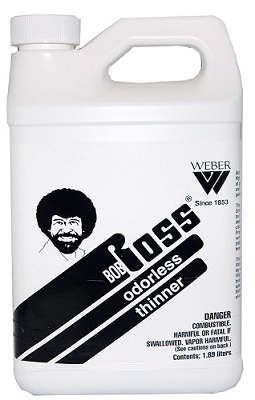
This Bob Ross Odorless paint thinner bumps things up a notch, making information technology useful for those after serious color blending and it can even be used with other oil-based mediums such as oil paints and oil pastels. Also, the potent fumes mutual with this caliber of paint thinner is for the nigh part absent-minded which makes it a lot easier to be around.
Swan Hydrogen Peroxide
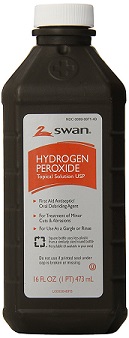
For those on a tight upkeep or wanting something subtle in its paint thinning, you can't go wrong with the tried and tested hydrogen peroxide. Just about every bottle is the aforementioned. Just exist sure to dilute it down to 75% or less before applying to your newspaper.
Winsor & Newton Distilled Turpentine
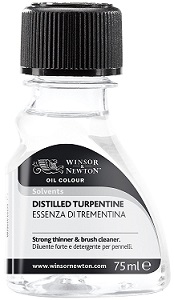
Winsor & Newton Distilled Turpentine comes in a small package just it packs a serious punch! This distilled turpentine is one of the best at blending color, even if there isn't a lot of colors out there to blend. That makes it peachy for spreading colour over big areas such as blue skies and as an added effect it gives off an oil painting-like feel in one case dry. But it does have quite a odour to information technology so be prepared.
Notwithstanding itching for more information on paint thinners and colored pencils? Youtube is loaded with bang-up tutorials and recordings of people using them together. One of our favorite ways to learn is to watch rather than read. This is i of our favorite tutorials virtually how to blend colored pencils with pigment thinner:
Source: https://www.bestcoloredpencils.com/paint-thinners-colored-pencils/
0 Response to "What Solvents Can You Use With Castle Art Colored Pencils"
Post a Comment